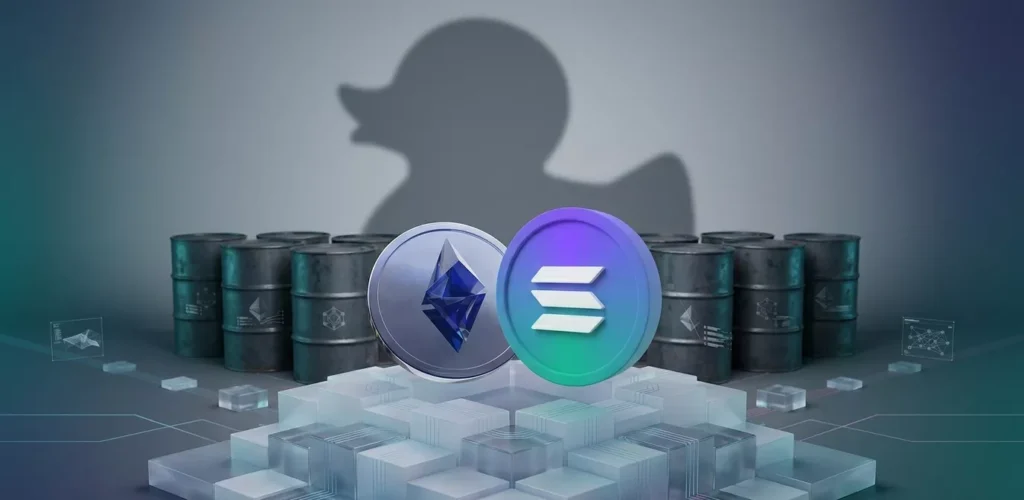
Dubai crude oil surged past $170 per barrel this week, setting a record that immediately reverberated across global markets. For traditional finance players, the spike was a red flag. Rising energy costs feed directly into inflation expectations, and that combination has investors pulling back from risk‑heavy assets. Crypto, often treated as a speculative hedge, was one of the first sectors to feel the pressure.
On March 19, Ethereum ETFs recorded $136 million in outflows, the largest single‑day withdrawal since January. Bitcoin ETFs followed with $90 million in redemptions. These numbers underscore how quickly sentiment can shift when macroeconomic forces collide with investor psychology. Traders who had been positioning for a spring rally suddenly found themselves unwinding exposure, preferring cash or short‑duration bonds.
Solana Defies the Trend
Not all tokens suffered. Solana ETFs attracted $760,000 in inflows on the same day, a modest figure compared to Ethereum’s losses but notable given the broader selloff. Solana’s network continues to process between 2.2 and 2.3 billion transactions per month, outpacing rivals and reinforcing its reputation for throughput. That activity isn’t just technical bragging rights—it reflects a growing ecosystem of decentralized apps and retail engagement.
One example is the upcoming Patos memecoin, which has generated buzz among retail traders. While memecoins are often dismissed as speculative distractions, they serve a purpose: keeping liquidity flowing and user interest alive. For Solana, that retail energy is translating into ETF demand, even as larger coins face headwinds.
The split in flows highlights a deeper truth about crypto markets. Bitcoin and Ethereum remain tied to macro sentiment, moving in lockstep with inflation fears and energy shocks. Solana, by contrast, is still seen as a growth story, where network activity and new projects can outweigh global risk aversion. Investors are watching closely to see if this divergence holds—or if oil’s surge eventually drags the entire sector lower.
